

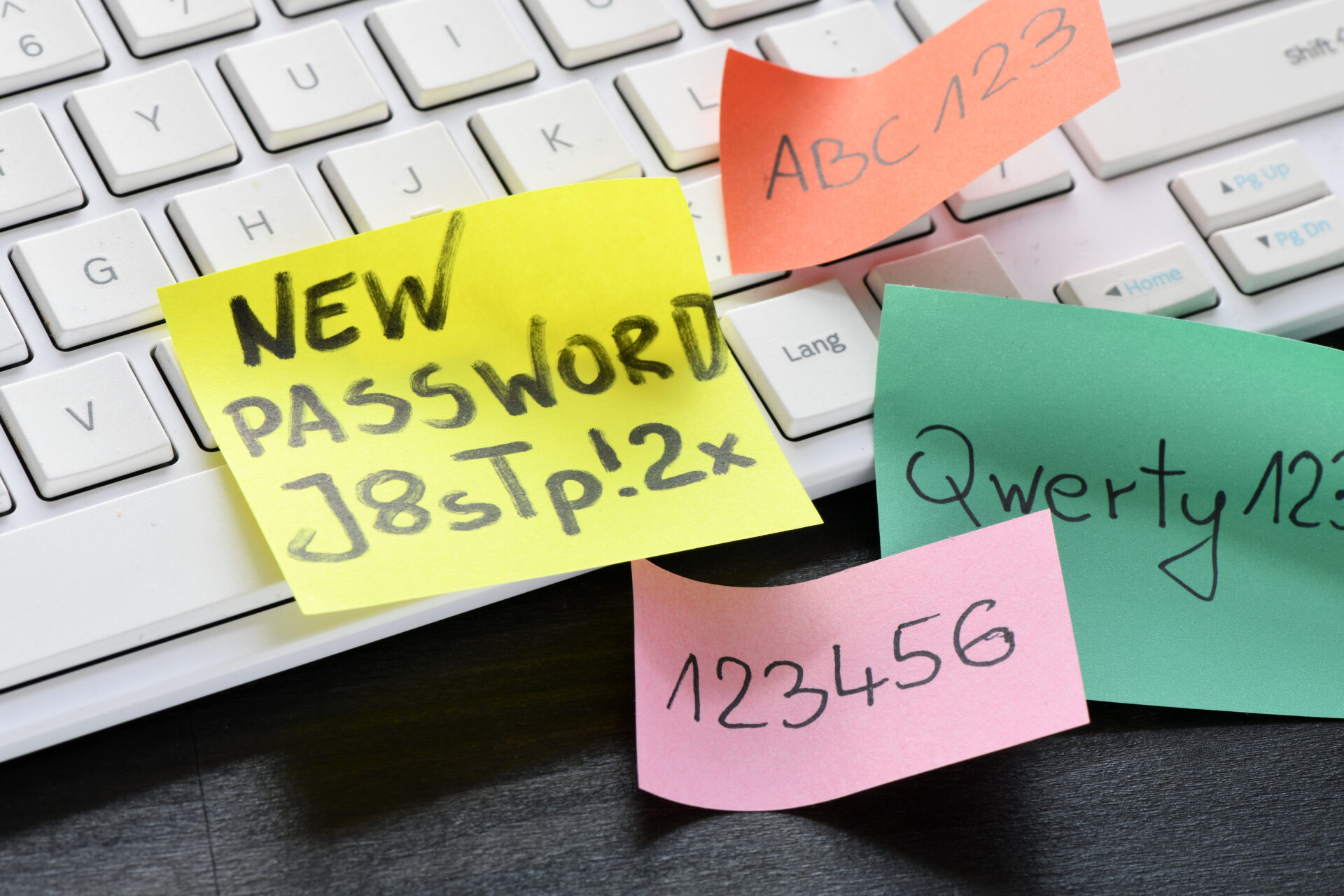
For decades, passwords formed the foundation of our digital identity. Today, however, it is increasingly clear that they represent a weakness rather than protection. Loging credential leaks, phishing campaigns, and the repeated use of weak passwords make traditional sign-ins the Achilles’ heel of cybersecurity. This is why the passwordless future is coming.
“Traditional passwords have long been the weakest link in digital identity. Attackers steal them, guess them, or obtain them through phishing. Another problem is that people tend to use one password for multiple accounts. The leak of a single password can thus compromise most of a user’s digital accounts,” explains Petr Kocmich, a security expert at Soitron.
The situation in Czechia is illustrated by a wave of phishing attacks targeting senior citizens. Due to lower digital literacy, they become easy prey for fraudsters who gain access to their bank accounts using e-mails, SMS messages or phone calls. A further warning came from the ransomware attacks on public institutions in the summer of 2025, which demonstrated that weak passwords and social engineering remain key entry points for attackers.
The passwordless approach replaces the traditional password with other methods – from biometrics and mobile authentication to physical security keys. The user no longer needs to type in a complex string of characters but confirms their identity with something they possess (a mobile phone, card, key) or something they are (a fingerprint, face, voice).
“Passwordless sign-in is safer, faster, and more convenient. In the absence of passwords, there is nothing to steal or misuse,” adds Petr Kocmich.
Presently, passwordless authentication includes several proven methods:

Although passwordless might sound like a vision of the future, it is an existing real-world solution. In banking, we routinely log in to mobile apps using a fingerprint or face scan. In public administration, the “eObčanka” (eCitizen Card) or the “eGovernment Mobile Key” are used. Corporate users are familiar with Windows Hello or YubiKey-type hardware keys for access to Microsoft 365 or Google Workspace.
The options will expand further in the future. The European Union is preparing a framework for a unified digital identity (EDIW – European Digital Identity Wallet), which should enable citizens to sign in securely and prove their identity across public administration and commercial services. For example, a user will open a bank account, sign a contract, or log into a healthcare portal in the same way – biometrically or by confirmation in a mobile application, without needing to remember a password.
“Identity verification will become standardised across services. Companies and public administration will thus offer a consistent user experience with a higher level of security,” notes Petr Kocmich.
Simultaneously, banks and technology leaders are currently testing a combination of biometrics with new security features, such as liveness detection (verifying that a real person is in front of the camera, rather than a photograph or a deepfake video). These mechanisms are intended to fundamentally improve the resilience of systems against modern attacks in the coming years.
Passwordless sign-in brings numerous benefits: higher security, as it eliminates phishing and password theft; a more convenient user experience; and lower IT support costs – the resetting of forgotten passwords for users is no longer necessary.
The drawbacks include more complex implementation and the need to change established processes. Companies must invest in new technologies and user training. Despite this, according to Petr Kocmich, it is clear that there is no other way: “Passwords are becoming unsustainable. Companies that do not start migrating to passwordless methods risk not only security incidents but also the loss of customer trust and problems with compliance.”
If we look into the near future, passwords will almost disappear. Just as PINs and fingerprints once changed the way we unlock our phones, passwordless will bring a revolution in the protection of digital identity.
“Major players, such as Apple, Google, and Microsoft, already support passkeys today. In five to ten years, classic passwords will be the exception,” predicts Petr Kocmich. In addition to passkeys, voice biometrics, magic links for quick sign-in, and smart cards in corporate environments will become more widespread.
For the average user, this means that a forgotten password will no longer be a nightmare. Access to services will be confirmed by a fingerprint, voice, or a click in a mobile application. Companies will gain higher security, IT administrators will handle fewer incidents – and overall, the digital environment will be safer and more convenient. The passwordless future is not a distant sci-fi, but a reality that is already happening. Passwords might endure for some time yet, but their significance will quickly fade.
We are in the process of finalizing. If you want to be redirected to our old version of web site, please click here.