


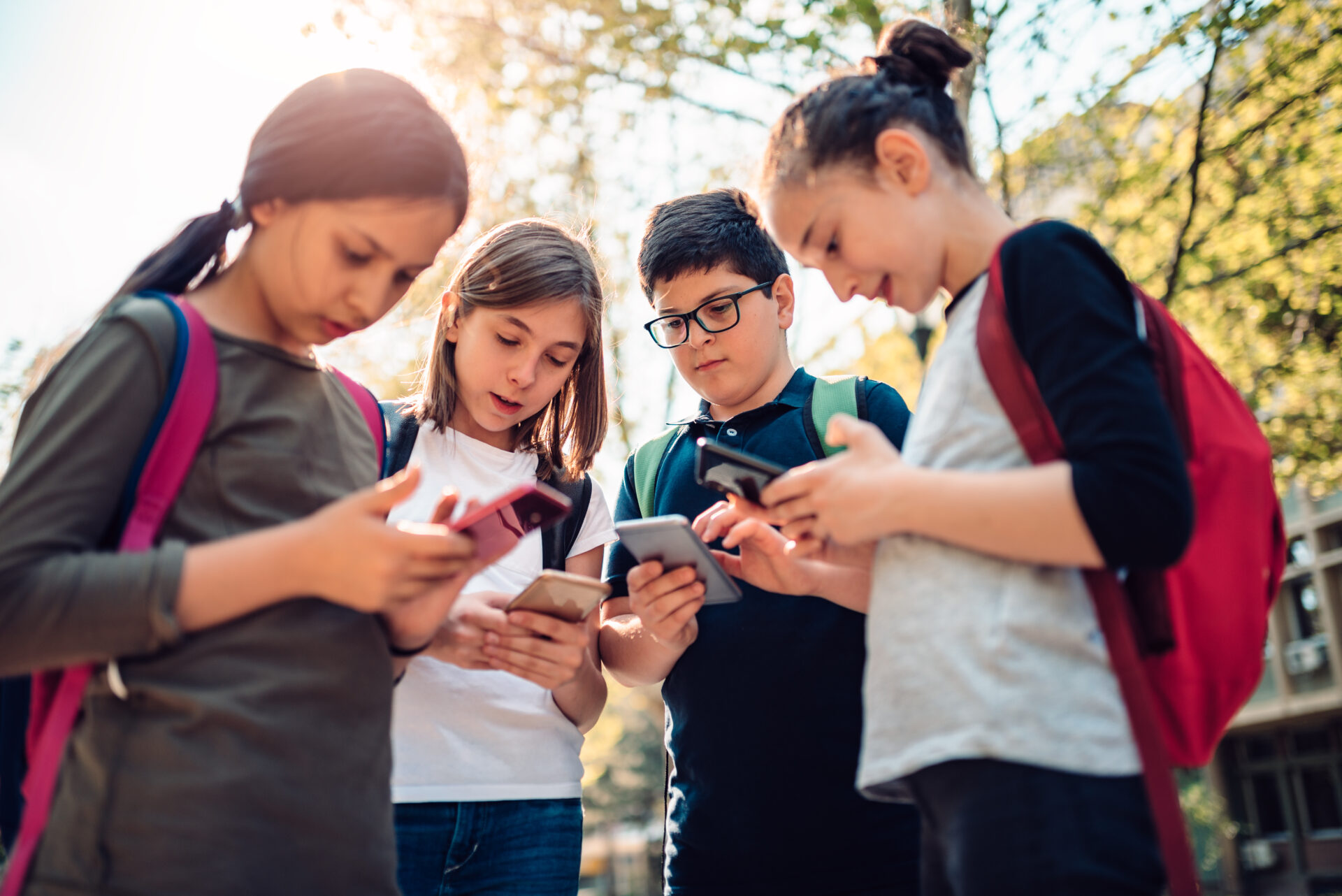
A new message in the class WhatsApp group, the first school photos shared on social media, or links to “useful” materials sent to classmates. These situations are now as much a part of the start of the school year as buying school supplies and packing the school bag, but they also bring security risks.
Experts warn that children face scams, manipulation, misuse of personal data, cyberbullying and risks associated with the use of artificial intelligence.
Just a few years ago, communication between classmates ended with the final school bell of the day. Today, a large part of school life continues in WhatsApp, Messenger or Discord group chats. Alongside sharing homework and organisational information, however, these spaces can also become the setting for conflict, mockery, or the exclusion of children from the group.
According to the European Commission, one in six young people aged 11 to 15 has experienced cyberbullying, while approximately one in eight admits to having taken part in bullying themselves. Another Europe-wide survey found that 24% of children said they had been victims of cyberbullying, and half of them know someone in their circle with a similar experience.
“Many incidents don’t start with a hacked phone, but with an abuse of trust. A class chat can be a place of support, but also of exclusion, humiliation or pressure that a child can easily hide from adults,” says Petr Kocmich, our cybersecurity expert.
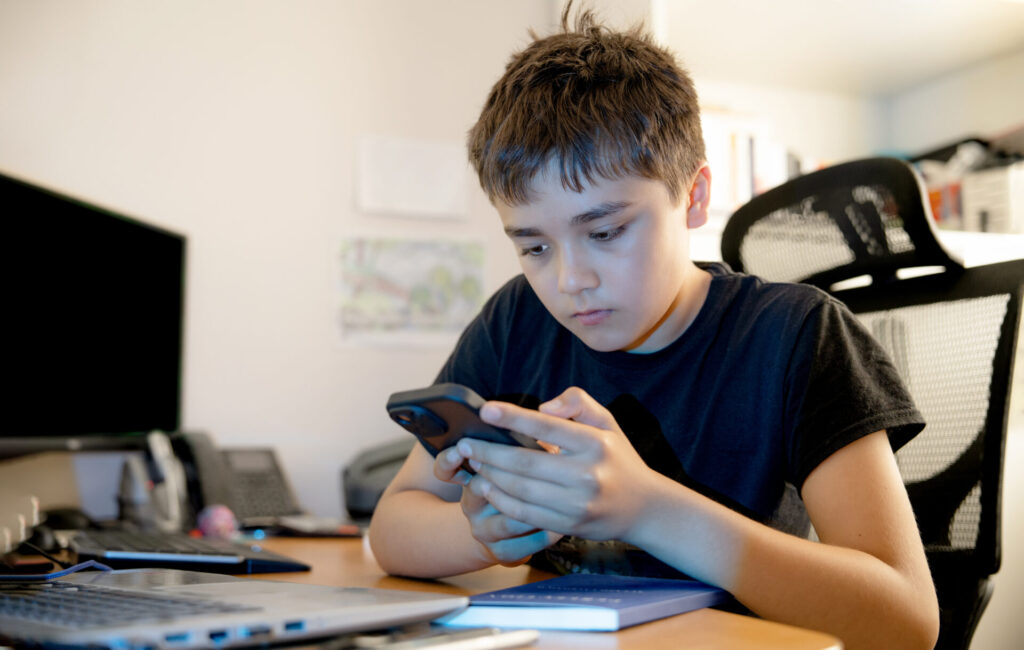
With the start of the school year children often get greater independence, not just at school but also online. Some receive their first smartphone, while others start using school platforms, educational apps or their own social media accounts more regularly.
“A phone isn’t safe simply because it has a PIN and parental controls set up. Children need unique passwords, multi-factor authentication and private profiles. Most importantly, however, they need to follow one simple rule: whenever someone asks them for a password, verification code, money, or a photo, or tells them to keep something secret, they should turn to an adult,” Petr warns.
Within just a few hours, a child may create their first accounts, install apps, log into school systems and begin building a digital identity that will accompany them for many years to come. Data from the Czech Statistical Office shows that the internet and electronic devices are among the most important parts of today’s schoolchildren’s lives. According to the survey, only three percent of children aged 9 to 15 would manage without internet access.
Pupils routinely use generative AI to write essays, translate texts, have schoolwork explained to them, or complete homework. They upload photos of worksheets and school documents to chatbots or paste parts of conversations with classmates and teachers. In some cases, they also include personal data or their own photos.
“Children shouldn’t put personal data, entire school documents, other people’s conversations or photos of other people into publicly available AI tools. At the same time, they need to understand that an answer may not be correct, even if it’s presented with confidence,” Petr explains. The problem is not the use of AI itself, but the fact that children often do not know how the service handles the data they’ve entered, or who might have access to it in future.
The start of the school year also brings new classmates, new social connections and increased activity on social media. This is exactly what scammers take advantage of and their tactics are quickly evolving.
In addition to fake profiles posing as classmates, fraudulent competitions for electronics, or links to supposed school materials, attackers are now also using generative AI tools allowing them to create more convincing communications. Using publicly available information, photos and social media posts, they can create highly convincing attack scenarios.
Fake voice messages and videos are also becoming increasingly common, designed to build trust and persuade children to react quickly. According to this year’s Microsoft survey, 84% of respondents are concerned that AI is making it easier to create deepfake content and sophisticated scams..
“AI makes it easier for scammers to personalise messages and create fake images or voices. The deepfake itself, however, is not the main problem. What’s particularly dangerous is the combination of publicly available information, a compromised account and psychological pressure, which can make a scam highly convincing,” Petr warns.

The risk does not only come from what children share themselves. Often, it is parents who unknowingly publish information that may follow their child for many years. Seemingly innocent posts can contain far more information than parents realise.
“A single photo usually doesn’t reveal a child’s entire routine. The risk comes from piecing together small details – the name of the school, the class, after-school activities, regular routes, or times. Parents should therefore check not just the photo itself, but also the accompanying text, location data, and information they’ve already shared,” says Petr, adding that it is exactly these kinds of information fragments that often form the basis of social engineering attacks.
Children today are growing up in an environment where the digital world is inseparable from the real one. That is why security cannot only be addressed when something goes wrong. “The goal isn’t to isolate children from the internet, but to create an environment where they’re not afraid to admit they’ve clicked on a fraudulent link, sent a photo, or trusted someone they should not have. A quick response and a parent’s trust can often determine the extent of the damage,” Petr concludes.
We are in the process of finalizing. If you want to be redirected to our old version of web site, please click here.
